Constraints + Collaboration = Creativity
By Katie Brinsmead-Stockham, Founder of Hotel Hussy
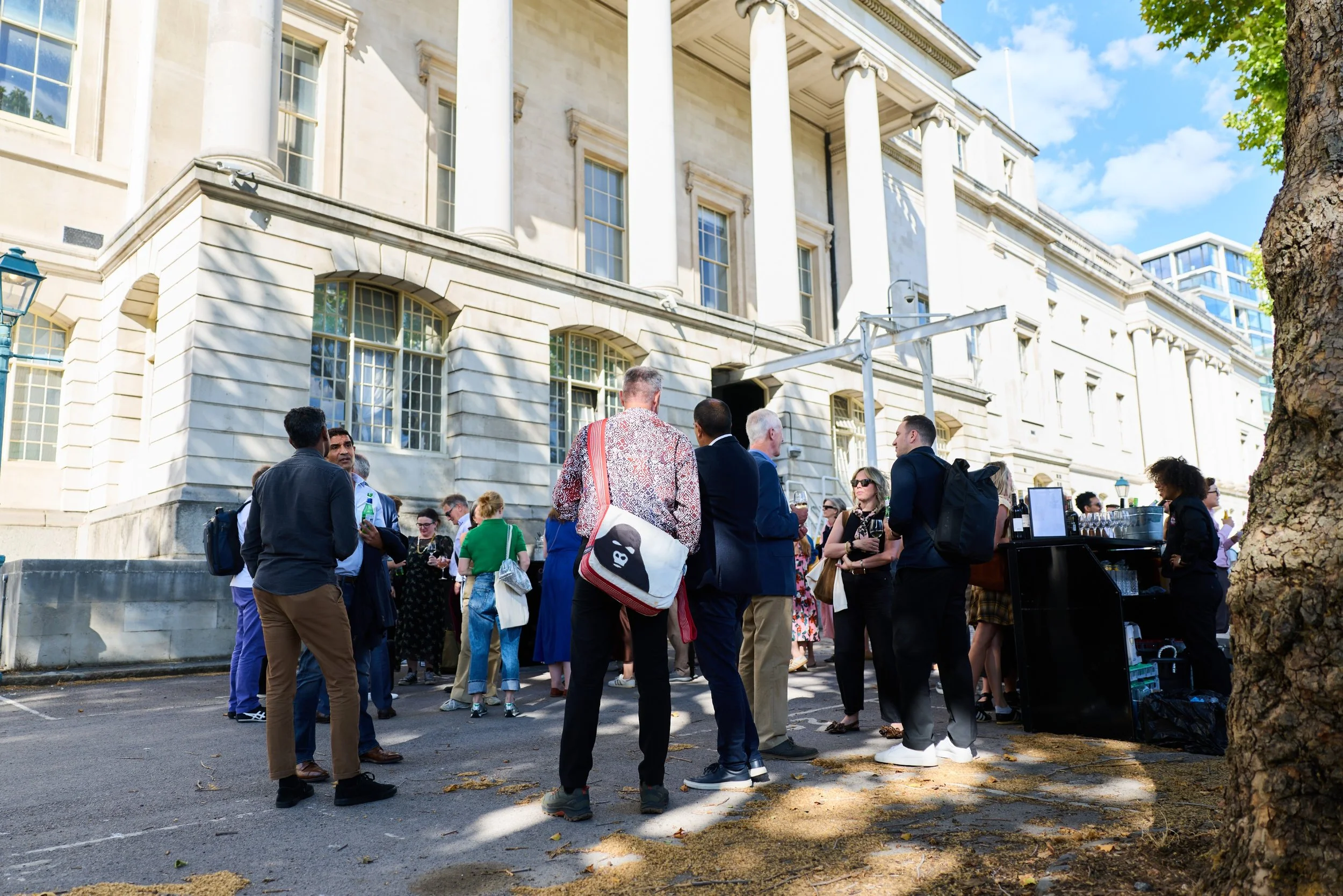
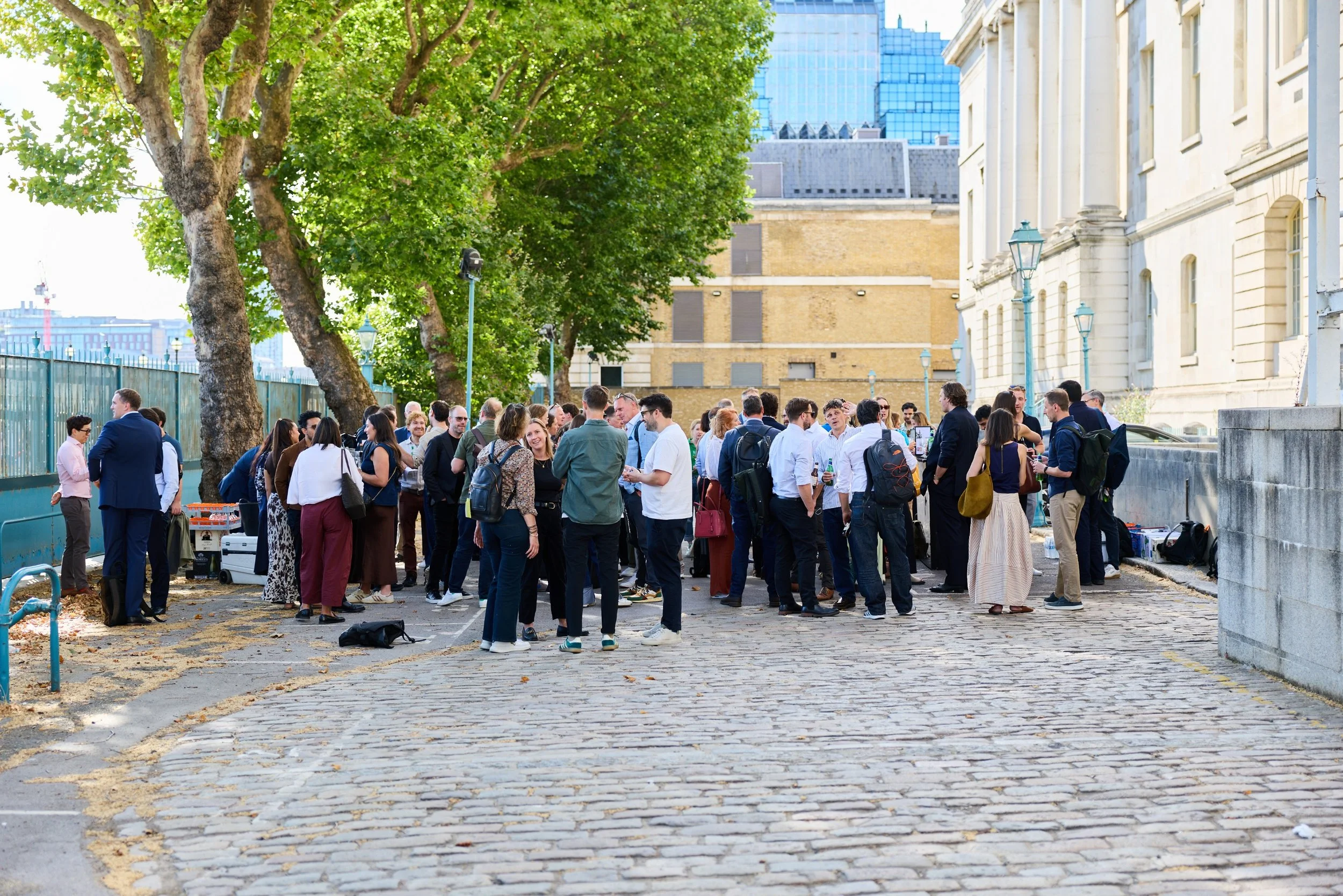
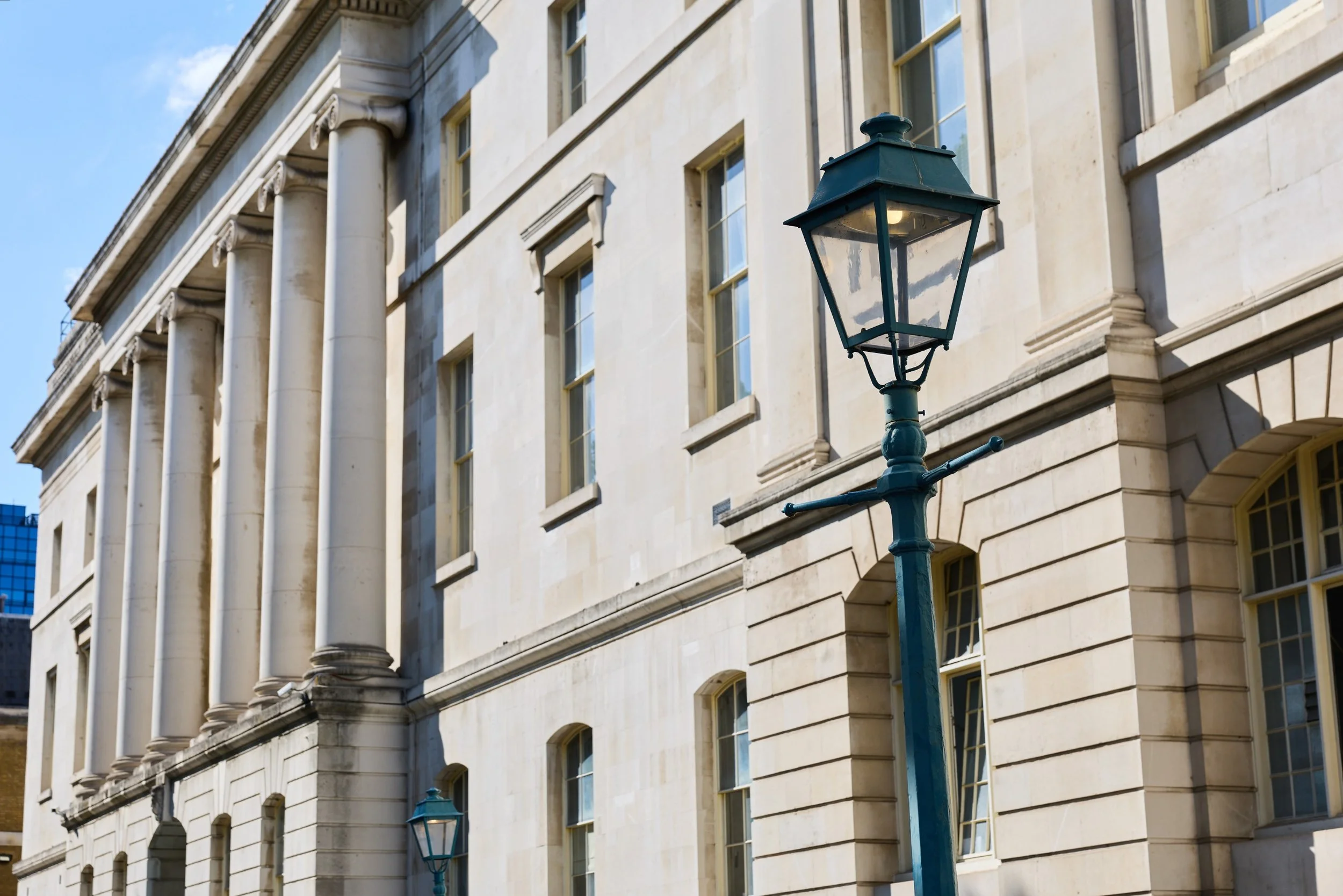
The Custom House sits on the North Bank of the Thames, opposite London Bridge station, behind a row of English plane trees, a forgotten icon that millions pass every year without knowing what it is. Before the strip out begins, marking the start of its next chapter, the Festival of Hospitality was invited inside to see it as it really is, and to hear from the team taking it forward.
The theme of the evening was set up as an equation, though the panel quickly turned the equation into a question: Do Constraints + Collaboration really equal Creativity?
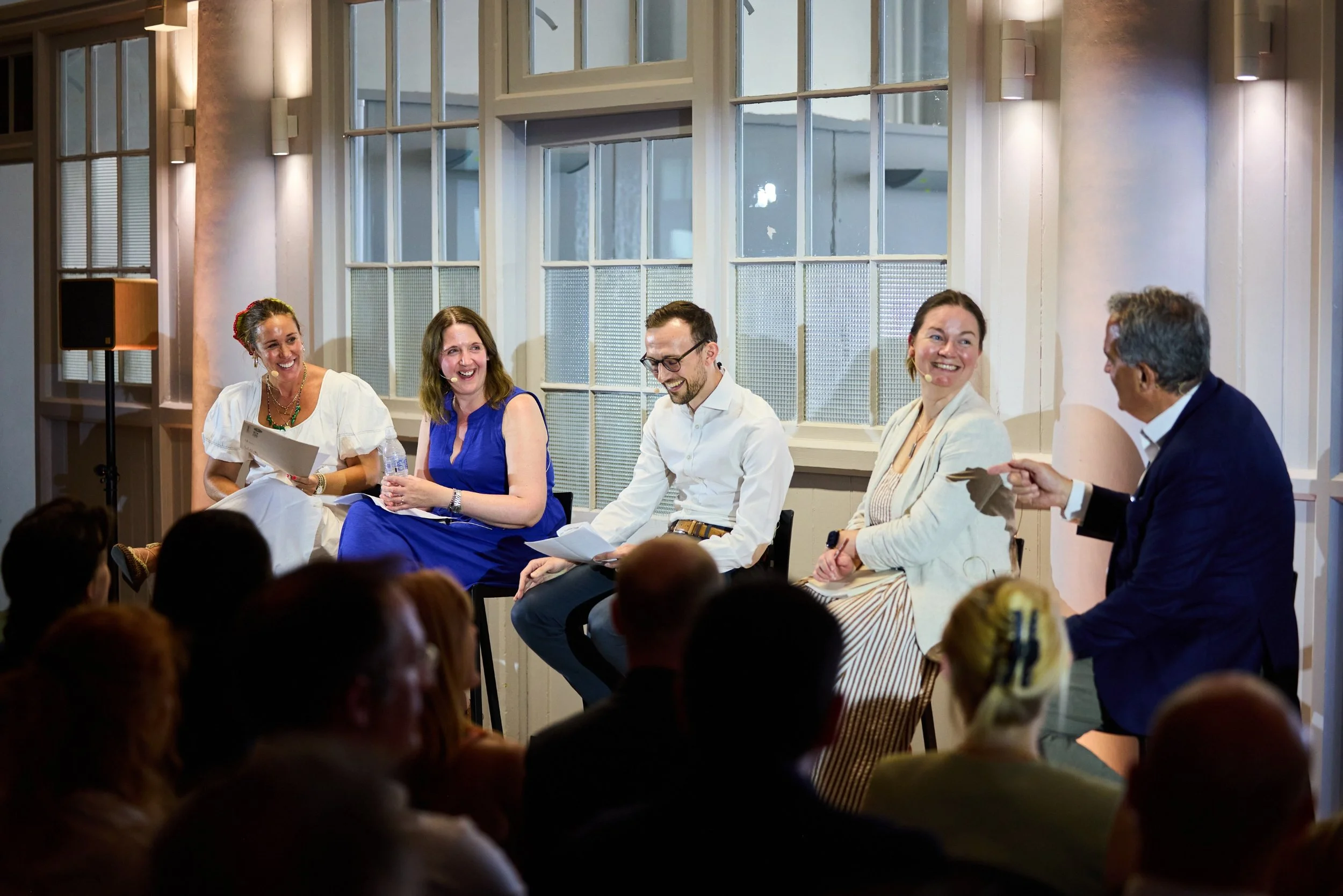
Panellists: Katie Brinsmead-Stockham, Sarah Robinson, Tom Pemberton, Elyse Howell-Price and Joss Brushfield
A working office at the centre of London
Taran Matharu, Director of Jastar Capital, opened with the building's history, and the main point was a striking one. The Custom House has never, in all its centuries, been open to the public. It's only ever been a working office, and in many ways it was where London itself began, the place everything entering the city, and the country, first passed through.
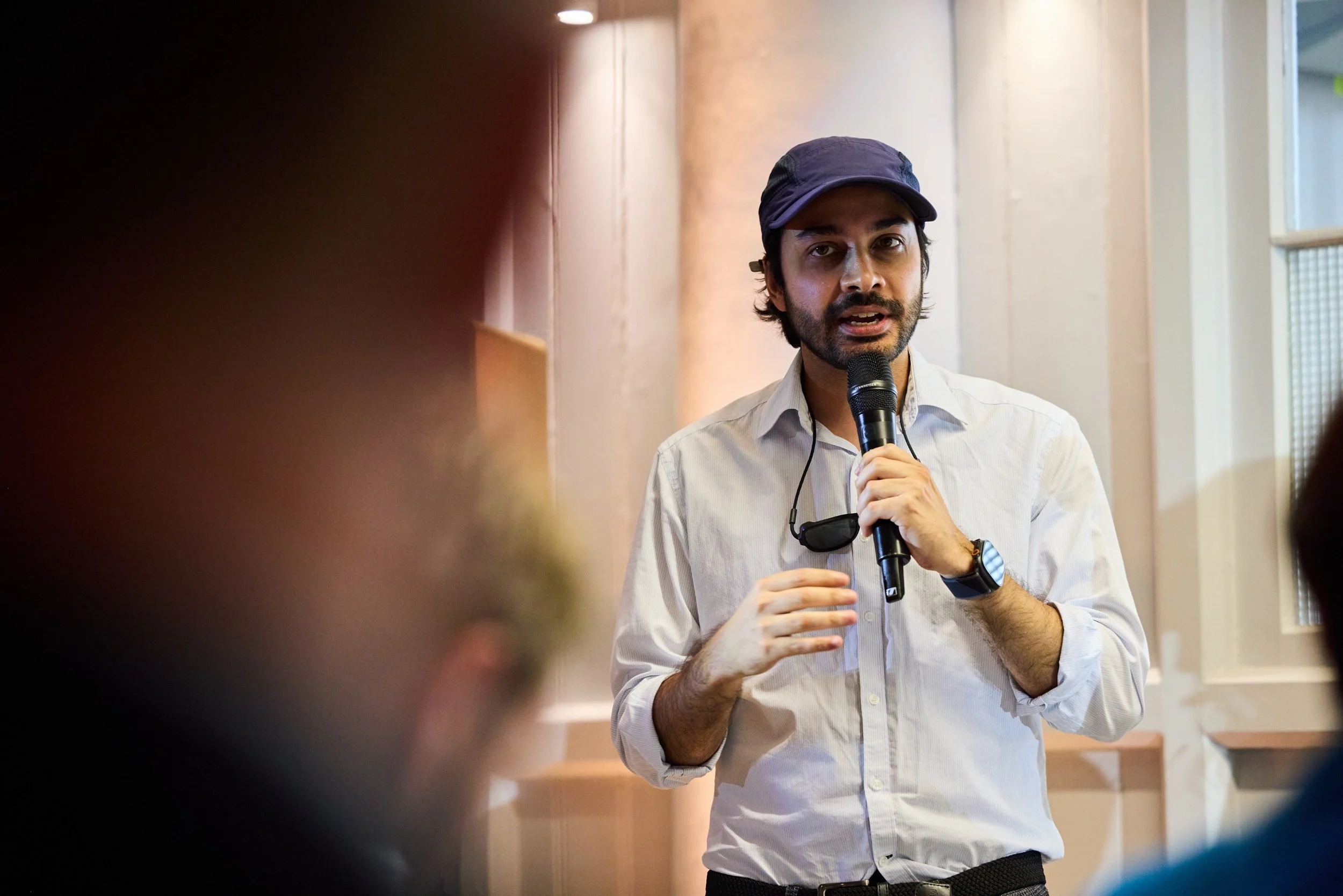
Taran Matharu, Jastar Capital
That history, Taran said, explains a lot about why London today is so mixed and multicultural. Every good, every trade, every connection to the rest of the world came through these doors first.
Two stories brought that to life. Customs officers once had to work out whether an Egyptian mummy brought into the country should be taxed as a natural good or a manmade one. Another time, officials spent so long arguing over whether a shipment of ice was a wet good or a dry one that, by the time they'd decided, the ice had melted.
They're funny stories, but they make a real point too: this building has spent hundreds of years quietly recording just how strange, and how big, trade through London has always been, and whatever comes next needs to live up to that. It needs to open up and evolve for the Londoners and visitors who'll use it today, while still making sure people know the stories of where it's come from.
What was actually inherited
What Jastar acquired, first and foremost, was a genuinely great building: strong and full of potential. But it came with constraints too. As a Grade I listed building, there was only so much that could ever be changed. The previous owner had already applied for planning permission for a hotel on the site, an application that left some local stakeholders distrusting any development or change to the building at all.
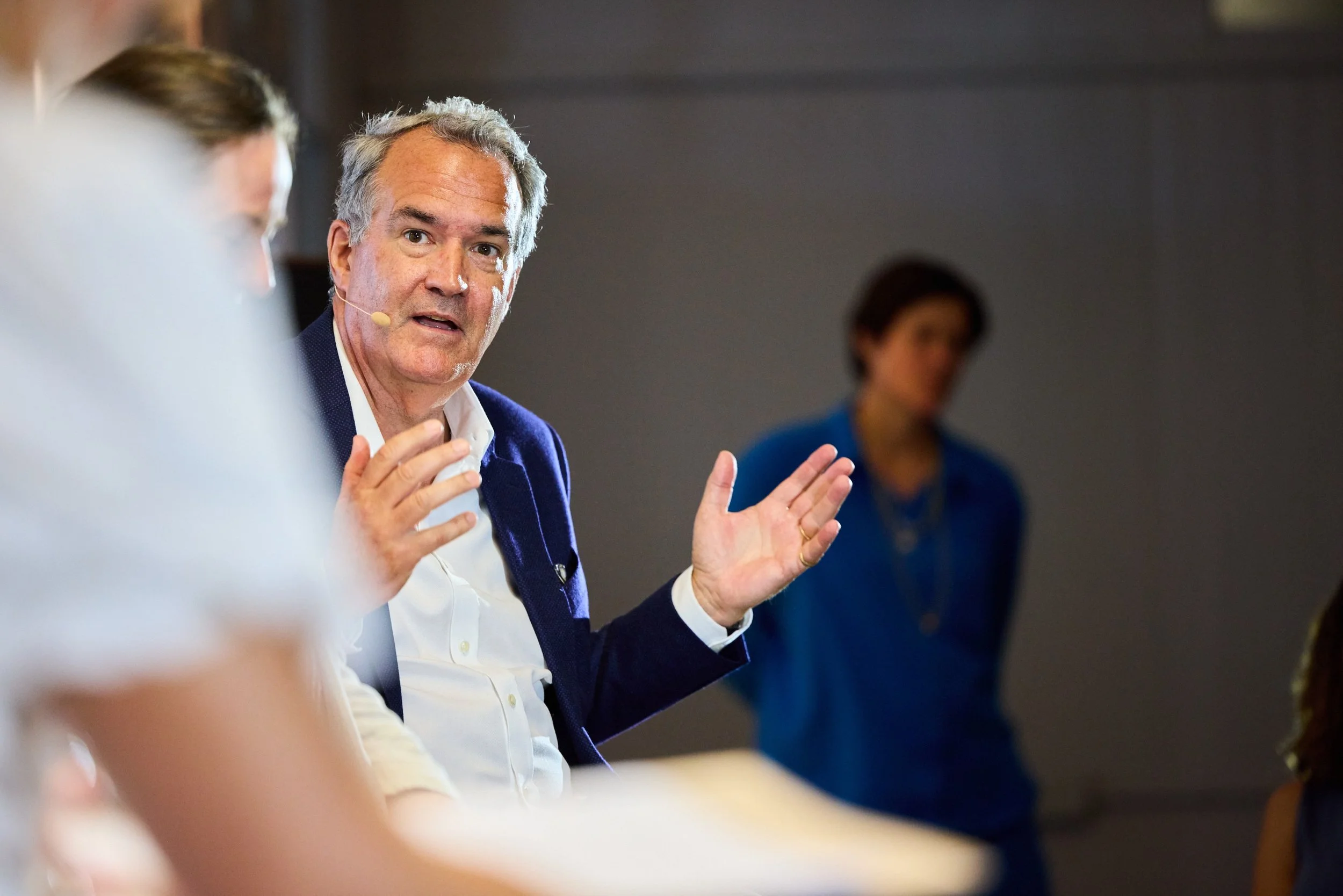
Joss Brushfield, Jastar Capital
Joss Brushfield, MD at Jastar Capital, was candid that the team didn't come in with many fixed ideas of their own, beyond understanding what had gone wrong the first time and knowing the process needed to be far more collaborative.
From the start, Jastar were clear on one thing: this couldn't be "just a hotel." It had to give something back, to the public realm, to culture and to the river. Part of what's made that possible is who Jastar actually are: owners and operators, a family business investing for the long run, wanting to look after the building rather than finish it and move on.
Rewiring the planning process
The King's Foundation exists to put communities at the centre of decisions about place, and its Associate Director, Sarah Robinson, led the project through a method called Inquiry by Design: two days inviting the public in to help shape what the building should become, rather than just showing them a finished plan.
The change over those two days was striking. It started with anger, people shouting about a development they didn't trust. By the end, the room held a real mix of people, architects, engineers, councillors, TfL, the Georgian Society, Historic London, Jastar and the wider project team, all sketching together how they wanted to preserve and experience the building. Being in the actual building, rather than a meeting room elsewhere, made a real difference too. Take the flood defences, something that can be quite ugly, and easy to argue about in the abstract. When someone asked whether they were really needed, the group could simply step outside and see it for themselves: it happened to be a spring tide, and the Thames was visibly touching the side of the building. Seeing it in person turned what could have been a long, heated debate into something simple and settled.
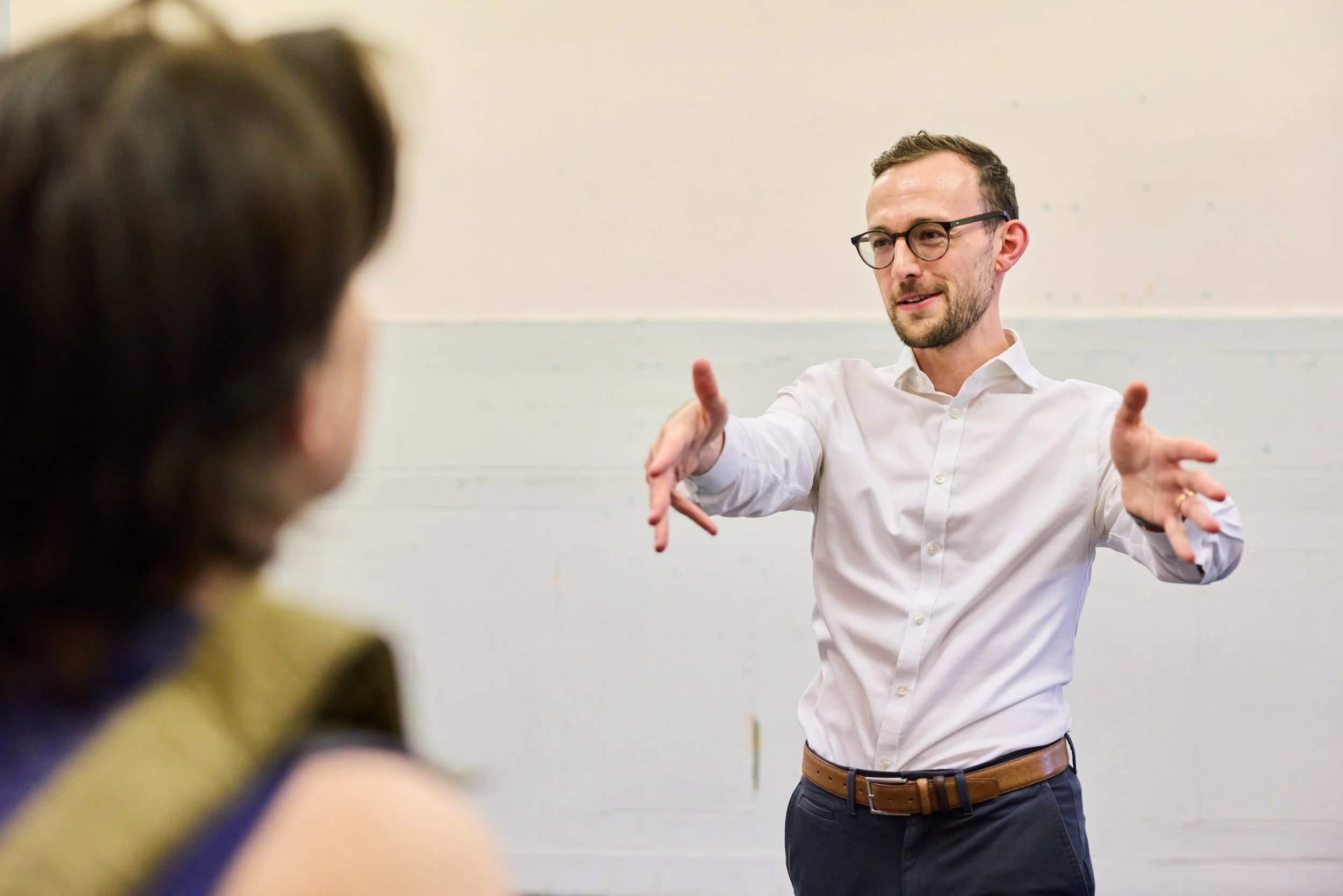
Tom Pemberton, Montagu Evans
Tom Pemberton, Senior Associate at Montagu Evans, contrasted this with the usual way things work, where a scheme is designed first and only shown to the public once it's mostly finished. Bringing people in from day one made for something different: not design by committee, and not a plan watered down to keep everyone happy, but a process where people disagreed openly, and where decisions people didn't like were at least explained. The real benefit came later. When the planning application went in, nobody was seeing it for the first time. People had already been part of shaping it and felt genuinely involved in those decisions. When it reached committee, it was approved with no objections at all, which, for a project like this, is almost unheard of.
Turning community input into a scheme
Turning two days of workshops into an actual building fell to Orms. Elyse Howell-Price, Associate Director, was honest that this way of working doesn't suit every architect, but she believes the best design comes from listening closely to people who genuinely know and care about a building. Not a general group of opinions, but a group of experts.
As a Grade I listed building, The Custom House can't be fundamentally changed, yet some of what Orms have added look set to become the building's new landmarks. The entrance and steps alone went through thirty design iterations, working out how to make a listed front genuinely easy to use and relevant today without losing what makes it what it is. That same back-and-forth, and the same teamwork, runs through the rest of the building.
None of it would have worked without time. Letting the schedule flex and giving more time to workshops and design changes early on, meant problems got spotted and sorted out early, instead of turning up later for the operator, or the guest, when they are much harder to fix.
A public building with rooms in it
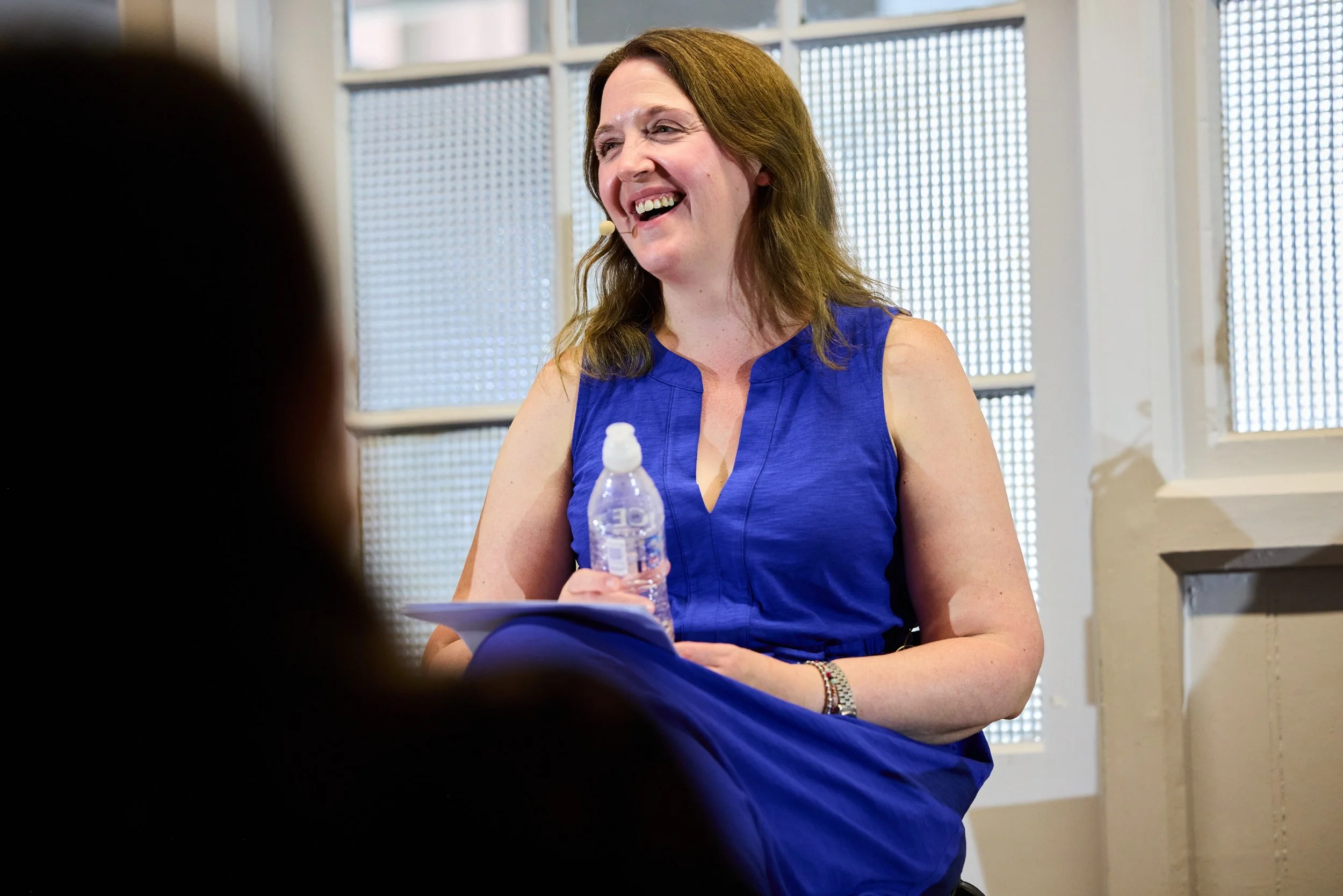
Sarah Robinson, The King's Foundation
The project's ambitions go well beyond hospitality. The North Bank, despite its history as one of London's great walking routes, currently feels like little more than a road for most people, hard to get to and easy to walk past. Sarah Robinson put it plainly: this stretch of the river is unloved, uncared for, underused, despite having huge potential. Tom described the City of London's hope that this project can anchor the area and help bring it back to life, opening the north side up to the city in the way the South Bank has been for years.
There's something almost baffling about how overlooked the building has been. I took a river clipper as part of the project, looking back at The Custom House from the water, and wondered how something so vast and so striking could have gone unnoticed for so long. It's the same reaction people tend to have the moment they actually step inside: everyone who walks into the building has a reaction to it, which is probably why everyone on this project ends up feeling so strongly about it too.
A big part of that is treating the building as something the public can actually use, a route from the riverside to the road, and a reason to stop rather than just walk by. The City was clear early on that a genuine cultural offering had to be part of the plan, not added on once the money side was settled.
That thinking runs through the whole concept. This isn't a hotel with some public spaces attached, it's a public building that also happens to have rooms. Alongside the restaurants and bars you'd expect, there'll be a gallery and a café, with prices running from properly affordable to more of a treat, open to more than just hotel guests. When shaping the strategy, the team deliberately didn't look to other historic hotels, of which London already has plenty of brilliant ones - they looked to places like Somerset House and the National Theatre instead. Those are cultural institutions, not hotels, and they've kept a strong core offering while staying genuinely useful to the public, through food and drink, events and programming. That's the model here: less luxury historic hotel, more cultural public utility.
Guardianship, not invention
A theme that kept coming back across the evening was authenticity. Nobody involved wanted to invent a concept or a brand for The Custom House, because the building simply didn't need one. With hundreds, if not thousands, of stories already there, from historians, from existing books on the building, and from around 250 former customs officers who’ve since been shown back through it, the job was to boil all of that down, not make something up.
While putting this project together I interviewed everyone on the team, and the same word kept coming up: legacy. It's a beautiful building, but everyone involved seems to understand that they're only a small part of its much longer life, and that guardianship means doing right by the people who'll visit it long after this current chapter is finished. For me, that means making sure The Custom House never feels like some exclusive, premium offering. It's a building for everyone, and the storytelling around it needs to reflect the voices that have shaped it over the centuries.
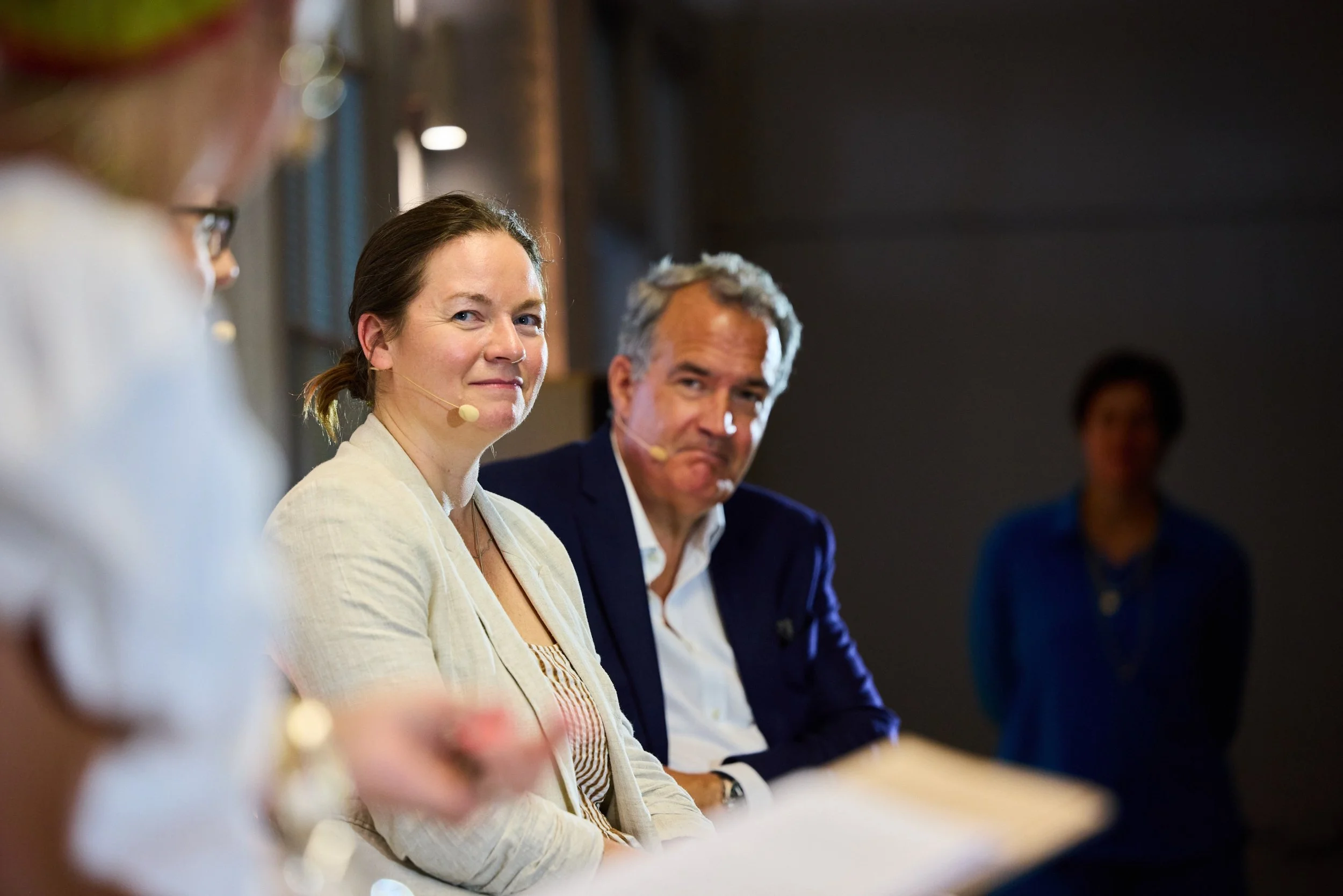
Elyse Howell-Price, Orms
For Elyse, that guardianship comes with a specific discipline. The Orms team keeps going back to the original architects' three founding principles for the building: strength, beauty and convenience. She checks every design decision against them, it's how they intend to keep The Custom House relevant for 2028 and beyond, while staying true to what it always was.
Does the equation hold?
By the end of the discussion, there was real agreement on stage. Constraints, handled together and without ego, with everyone a bit humbled by the building rather than fighting it, don't slow creativity down. If anything, they're where it thrives. But the equation only really works with two more things added in: time and genuine respect. You can't rush this kind of process. It has to be given the time it needs, and it has to be approached with the right attitude, listening properly, and meaning it. Get that mindset right, and yes, the creativity follows.
A First Look at What's to Come
After the panel, everyone was invited on a show round of the building. The tour took in both the West and East wings, showing the two different sides of the building and giving a real sense of what's planned, grand suites in the West through to smaller lifestyle rooms in the East.
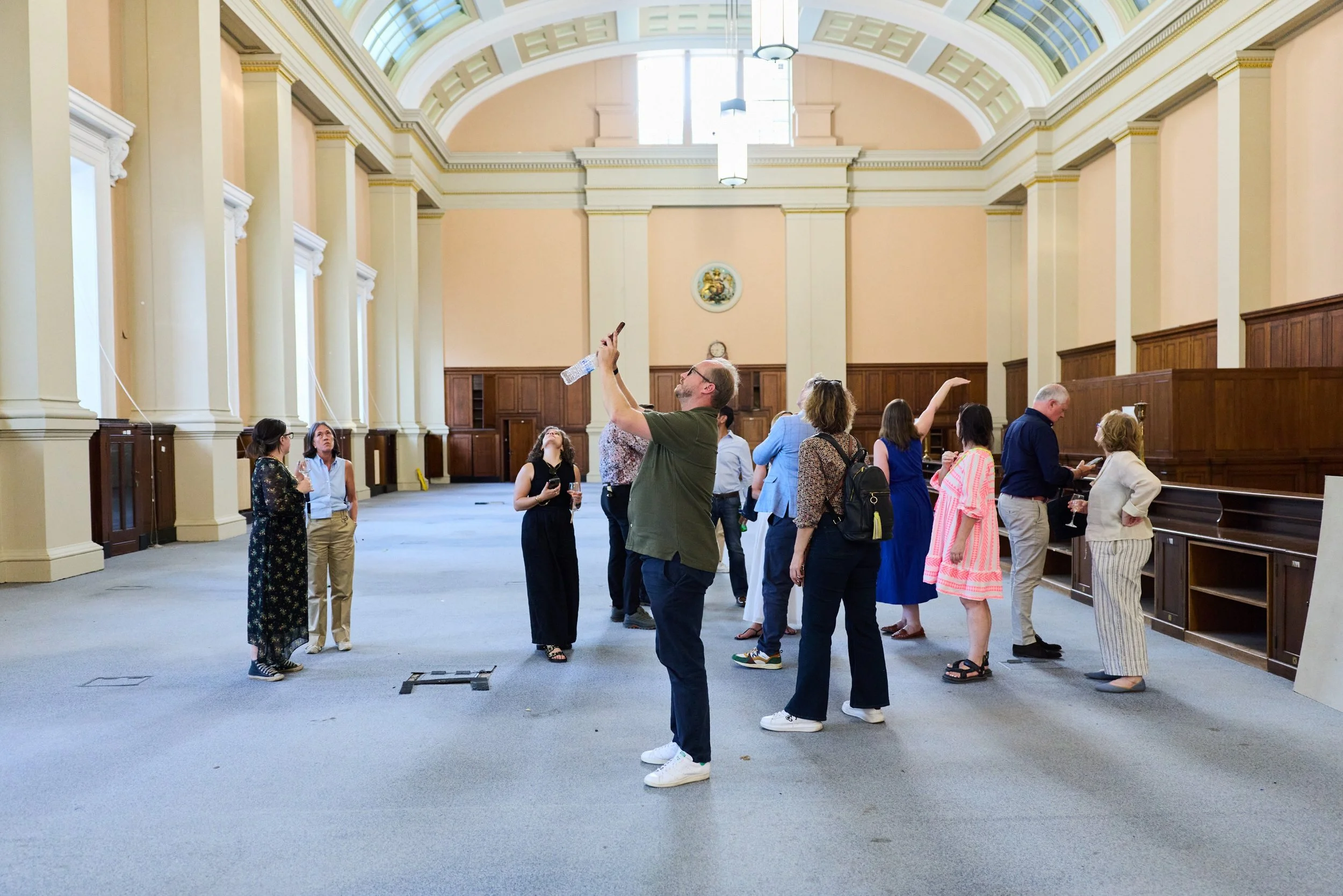
Walking into some of the spaces, people actually gasped. The Long Room is hard to put into words, you really have to stand in it. It's huge, and it looks set to become one of the best event spaces in central London. The smaller rooms, including the Tide Waiters' Room, feel completely different, still big enough to make you feel small, but proud and bold rather than delicate, quite unlike the fussier, more detailed old buildings London is used to.
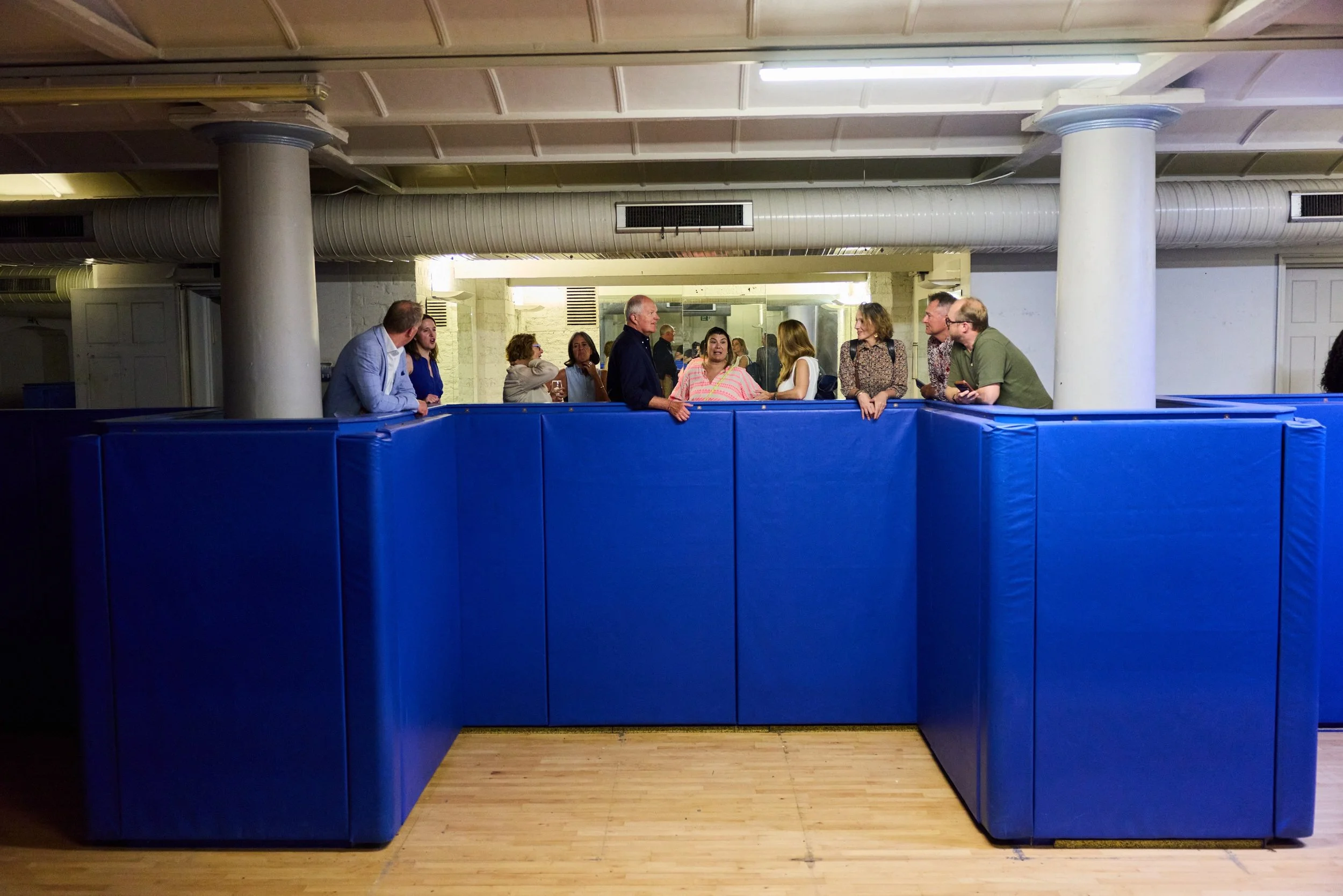
Along the way, guests passed the building's old prison cells, where drug smugglers and dealers were held before being taken off to prison, and heard the story behind the kickboard fitted to the bottom of the fence, put there to stop people on boats reading customs officers' number plates as they went past. There was even an old room where officers were taught how to pick locks. The tour ended in the basement, in what will become a subterranean, intimate spa space, a big change from its old life as a padded room used by customs officers and special agents for fight training.
The event ended with drinks out on what will become the new riverside terrace, the sunny side, looking out over the Thames, and it was here that one of the more interesting conversations of the evening happened almost by accident. More than one guest asked whether The Custom House would end up feeling like The Ned, the natural comparison for a grand, historic City building turned hospitality destination. The answer was a firm no. If the team have done their job properly, listened to what the building has to say about its own history, and made it a genuinely relevant offering for today, then it won't be The Ned. It won't be a copy of anything. It will simply be The Custom House, on its own terms.