
By Timothy Shepherd, Founder & MD of Shepherd&
What gives a new hotel the right to call itself distinctive? In Mayfair, where luxury is an established language, the answer requires more than an impressive address or beautiful interiors. A hotel needs a clear purpose, a relationship with its surroundings and an experience that makes guests want to return.
For The Shepherd Mayfair, the 82-key hotel from Bain Capital and Orka Investments, that question provided the starting point for a conversation about ownership, planning, architecture and interiors with the project team. I was joined by Rob Mangan of Bain Capital, Alexandra Milne of DP9, Krystin Schwendel Smith of BGY and Jane Maciver of MAWD, previously of BGY ID where her and I designed the hotel.
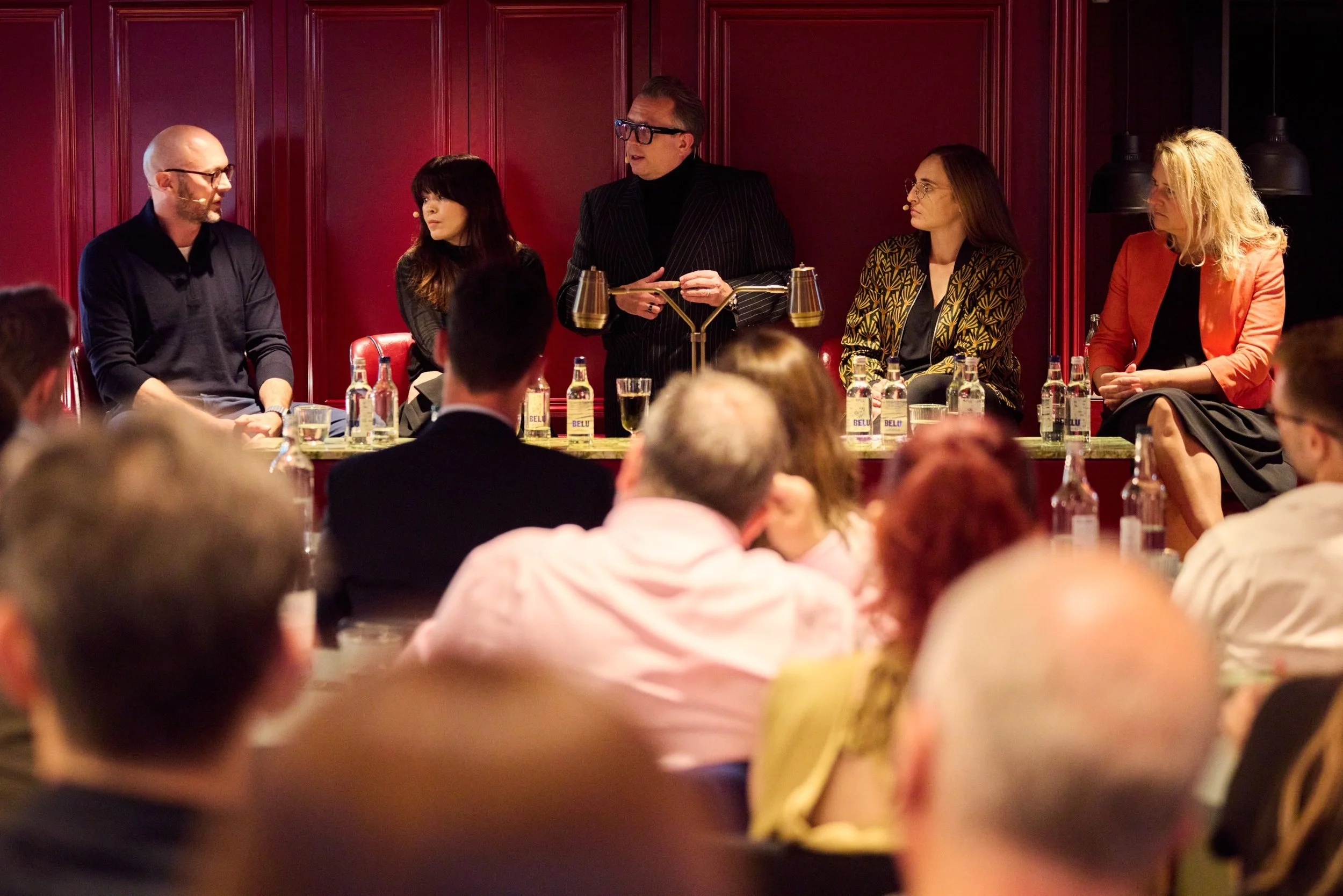
Panellists: Rob Mangan, Jane Maciver, Timothy Shepherd, Alexandra Milne and Krystin Schwendel Smith
Situated between Park Lane’s grandeur and Shepherd Market’s intimate streets, The Shepherd occupies a particularly rich setting. Its opportunity lies in understanding both.
An ambition rooted in place

For Bain Capital’s Rob Mangan, the investment proposition began with the relationship between the building and its neighbourhood.
“The attraction was the opportunity to create a hotel with a strong identity in a location that already had extraordinary character,” he explained. “Mayfair has an international reputation, but Shepherd Market offers something more intimate: independent businesses, smaller streets and a sense of discovery. The ambition was to bring those qualities into the guest experience.”
Commercial discipline inevitably shaped that ambition. Room numbers, operational efficiency and investment returns all matter, but Rob’s proposed distinction is between maximising capacity and creating lasting value.
“A successful hotel must work commercially, but that requires thinking beyond the opening. Guests recognise when a place has been considered properly. Protecting the quality of the spaces they use every day can be more valuable than pursuing an additional short-term gain.”
His response to whether Mayfair needs another luxury hotel is direct: the address alone cannot justify it. The hotel must contribute something meaningful.
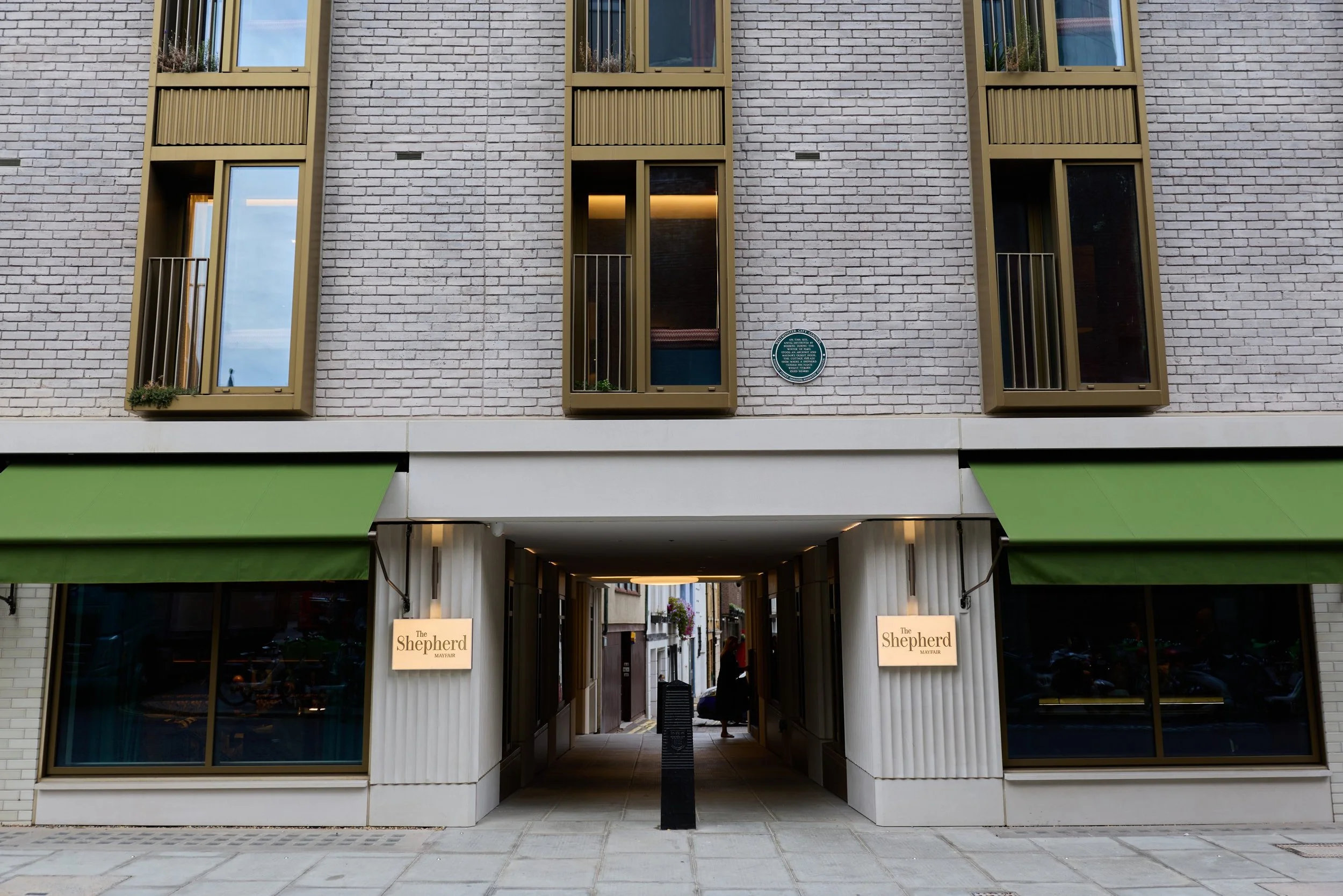
Planning as part of the design
For Alexandra Milne of DP9, that contribution extends beyond the guest to the surrounding neighbourhood.
“The planning challenge was to accommodate change while understanding what makes a place valuable,” she said. “In a setting such as this, the building’s relationship with the street, its neighbours and the wider historic context needed careful consideration.”
Planning is frequently discussed as a restriction on creativity. Alexandra offered a more constructive interpretation.
“A requirement can prompt the team to examine an assumption and find a better response. The important thing is to establish the constraints early, explain the reasoning clearly and keep a productive dialogue between the different disciplines.”
Her perspective underlines a broader principle: ambition becomes more credible when it is supported by a convincing understanding of place. A strong planning strategy helps turn an attractive concept into something achievable.
Making the building work for people
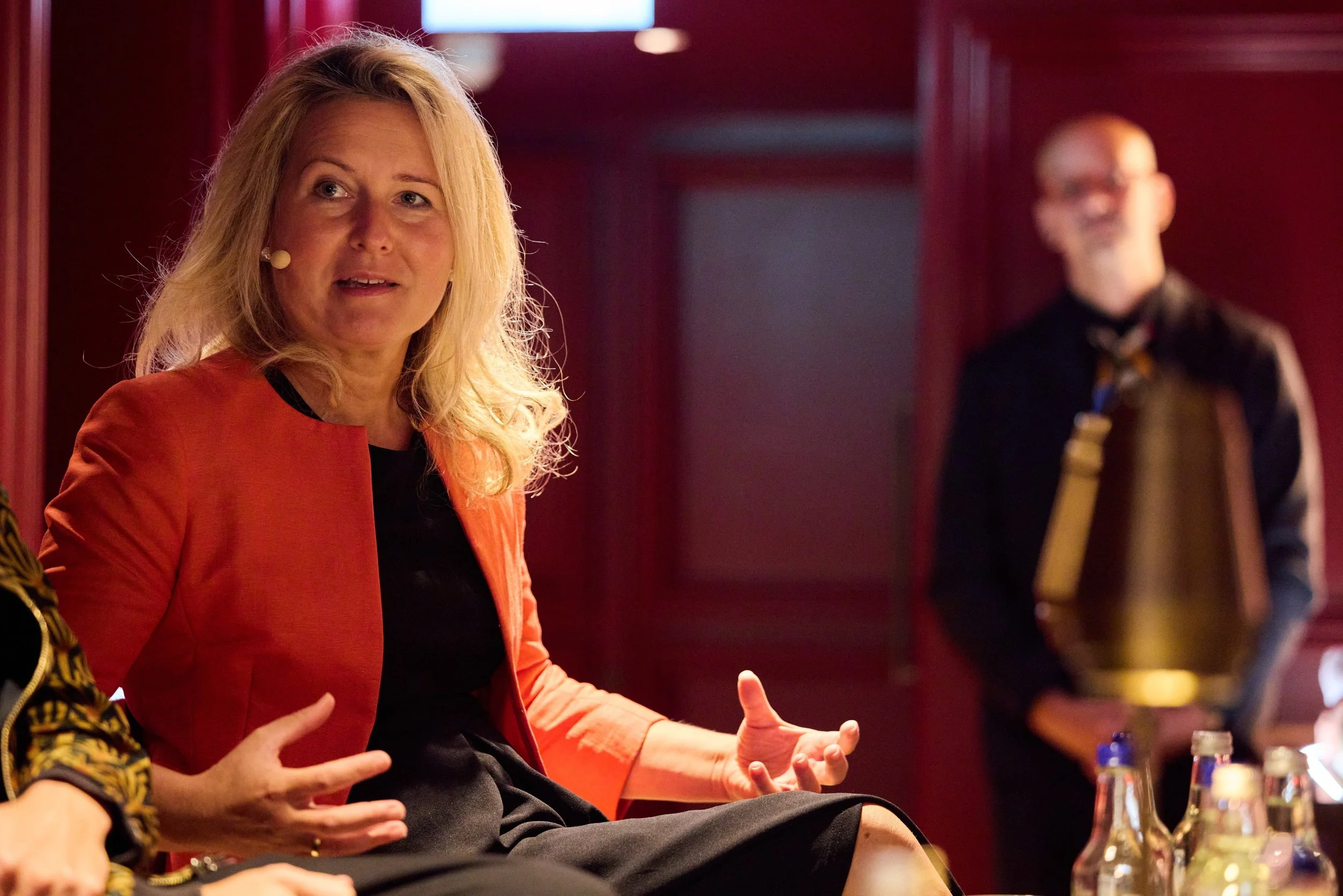
BGY’s Krystin Schwendel Smith approached the same question through the architecture. Adapting an existing building to accommodate guestrooms, public spaces and hotel operations demands a careful balance between spatial ambition and technical reality.
“The challenge was to make a complicated building feel straightforward to the person using it,” she explained. “Guests should understand where to go, feel comfortable moving through the spaces and experience a natural progression between arrival, public areas and their room.”
Behind that apparent simplicity sits considerable coordination: circulation, servicing, structure and building systems must work together.
“The architectural decisions with the greatest impact are not always the most visible. Proportion, thresholds, acoustic separation and the relationship between spaces all influence how a hotel feels.”
For Krystin, the existing building provided a framework for discovery. Its constraints encouraged individual solutions with the team remains focused on the practical experience of staying there.
A contemporary expression of British luxury
For Jane Maciver, interior design perspective begins with atmosphere.
“We wanted guests to feel welcomed, comfortable and curious,” she said. “There should be enough character to reward attention, alongside an ease that allows people to settle in immediately.”
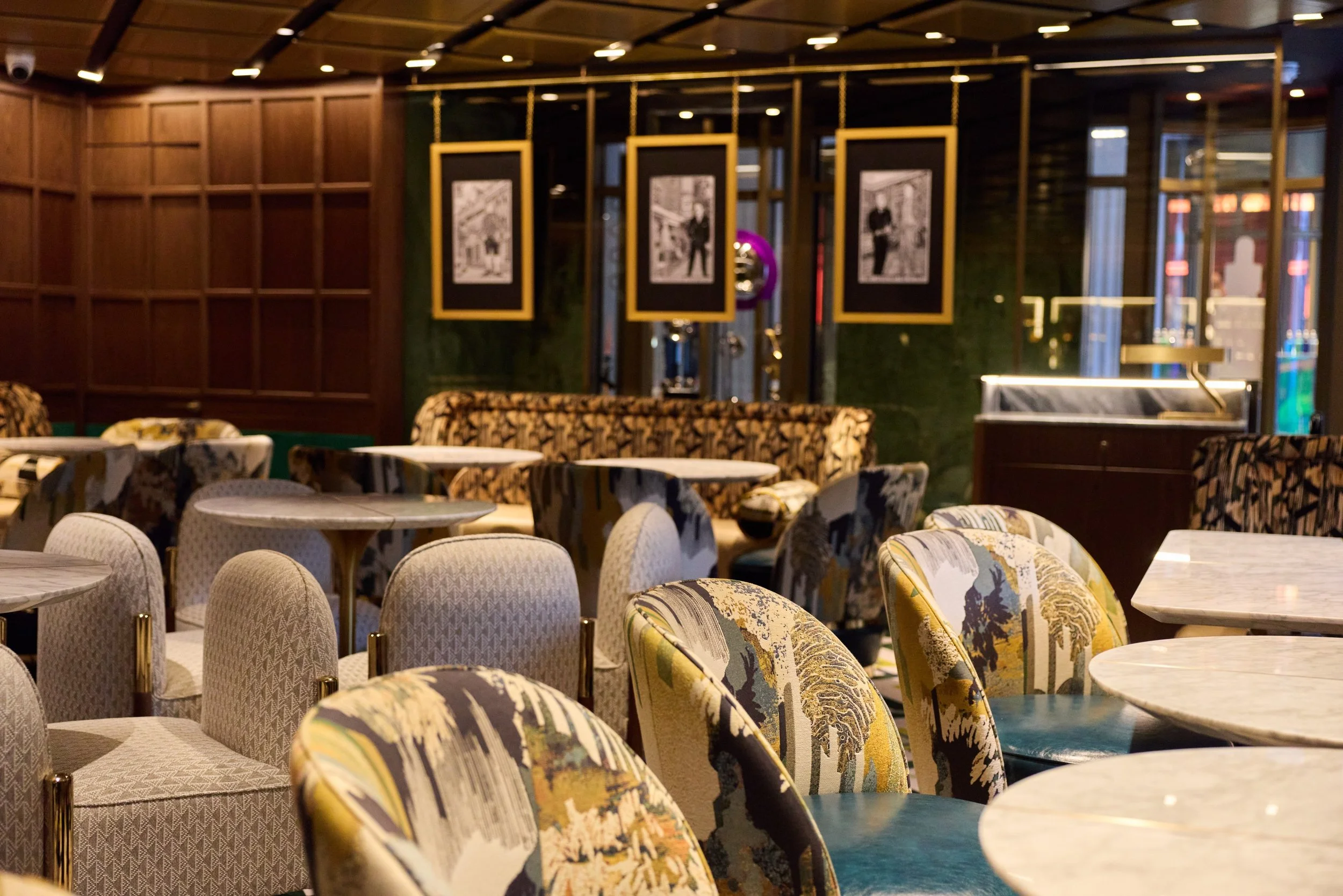
Translating Shepherd Market into an interior language required judgement. A neighbourhood’s identity can inform colour, texture, scale and mood without becoming a collection of historical references.
“Contemporary British luxury allows confidence, individuality and a little eccentricity,” Jane suggested. “It comes through in the relationship between materials, the comfort of furniture and the way lighting changes a room. Those elements need to feel considered together.”
That raises a familiar question: are hotels being designed to be experienced or photographed?
“A memorable image can introduce a hotel to someone,” she responded. “But the experience has to sustain that interest. A chair needs to be comfortable. Lighting needs to flatter people. Materials need to feel good and wear well.”
Keeping one shared story
Across the conversation, collaboration emerged as the means of protecting those intentions.
From my own perspective, the challenge was to make every decision feel part of one story. Ownership, planning, architecture, interiors and delivery each bring different priorities. A shared understanding allows those priorities to support a recognisable guest experience.
Rob sees value in testing expenditure against that experience. Alexandra emphasises early discussion. Krystin highlights the need to resolve interfaces between disciplines, while Jane points to the importance of carrying the design intent through to the smallest details.
Creative tension can improve a project when the team understands the purpose behind a proposal. Under pressure, that understanding helps distinguish what can evolve from what needs protecting.
What should endure?
Asked what guests should notice they share a common theme: look beyond the obvious statement. Notice how the building unfolds, how spaces connect, how materials feel and how comfortably the hotel accommodates everyday life.
For me, a project begins to feel like a real place when people inhabit it naturally when conversation, movement and hospitality bring the drawings to life.
Ten years after opening, novelty will have faded. What should remain is a hotel that feels comfortable in its neighbourhood and continues to reward its guests. The Shepherd, Mayfair will have succeeded if people remember how it made them feel, choose to return and share by recommending. It ultimately should become a lasting party of Mayfair adding its own stories to the neighbourhood.