
Ambition + Action + Accountability = Change
by Katharine Le Quesne - Managing Director, Sebright Advisors
Sustainability ambitions remain high across the hospitality industry; action is global and varies by country; and ESG (Environmental, Social & Governance) accountability frameworks are evolving at pace. These themes emerged when hotel operators, owners, designers, lenders and advisors gathered for the Festival of Hospitality’s event on the concepting and delivery of sustainable hotels.

Ambition is high, but not all targets are deliverable
Despite some geopolitical roadblocks in recent years, the hotel industry has continued to evolve sustainability standards. Frameworks in the design, delivery and operation of assets are more robust. Additional diligence is focused on climate-related risks throughout the asset lifecycle, such as physical risk (financial loss, property damage, and/or operational disruption cause by the direct impacts of climate change) and transition risk (business and financial impact as markets move towards a lower-carbon future).
In design and architecture, OBMI’s Jamie Webb noted commitment to improving the sustainability of projects. However, some of this is diluted in the value engineering and procurement stage, when product availability and cost come under scrutiny.

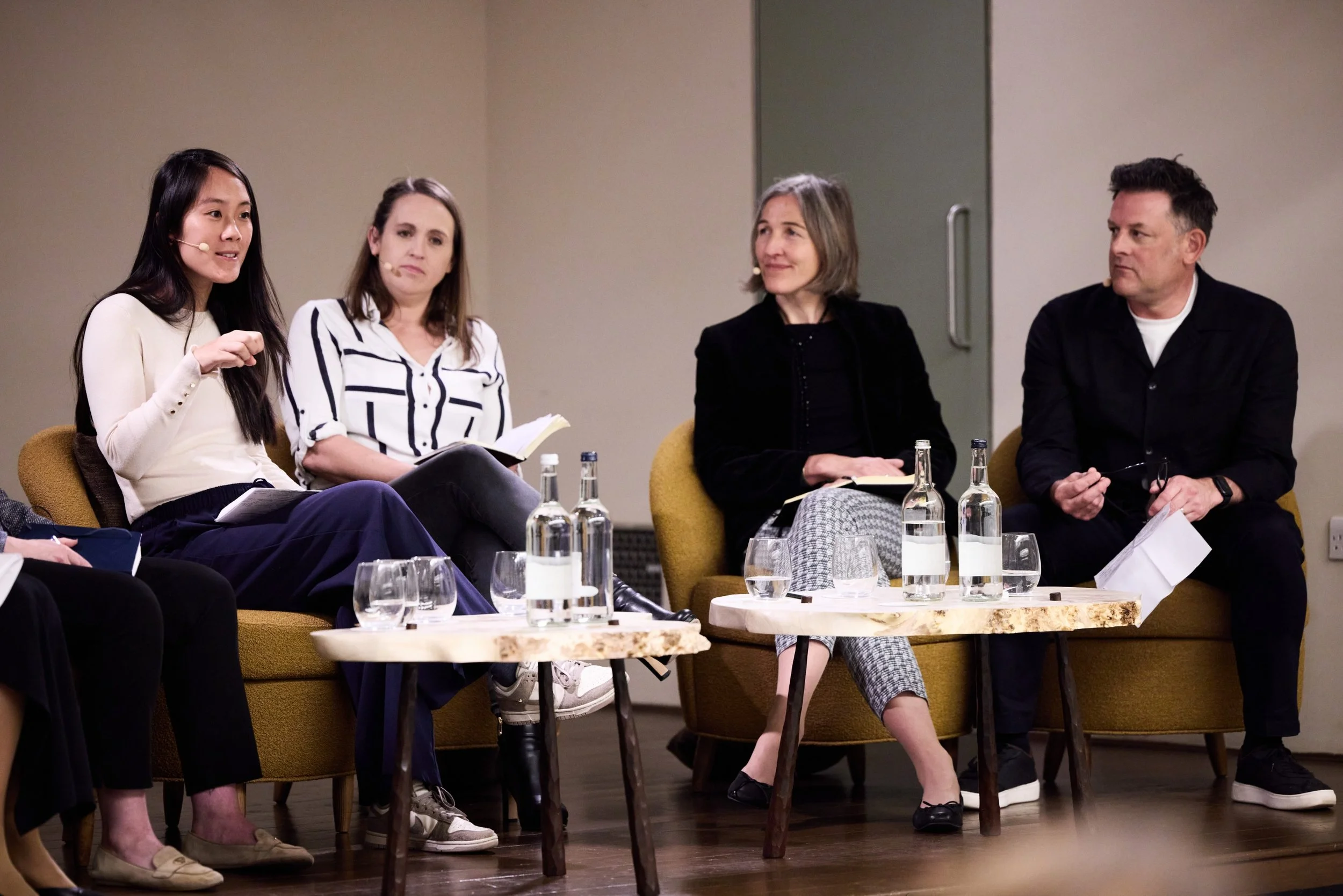
Event panellists Nadira Lalji, Alison Barry and Zoe Li
Asset type may also impede delivery of sustainability goals, such as post-retrofit certifications on some historic buildings. Owner-operator Nadira Lalji, Founder, Inhabit Hotels and Director, Precis Advisory, noted that “figuring out what is achievable is half the battle”, particularly for listed or old buildings. This is where having a like-minded design team on board can add value and help define what targets are deliverable.
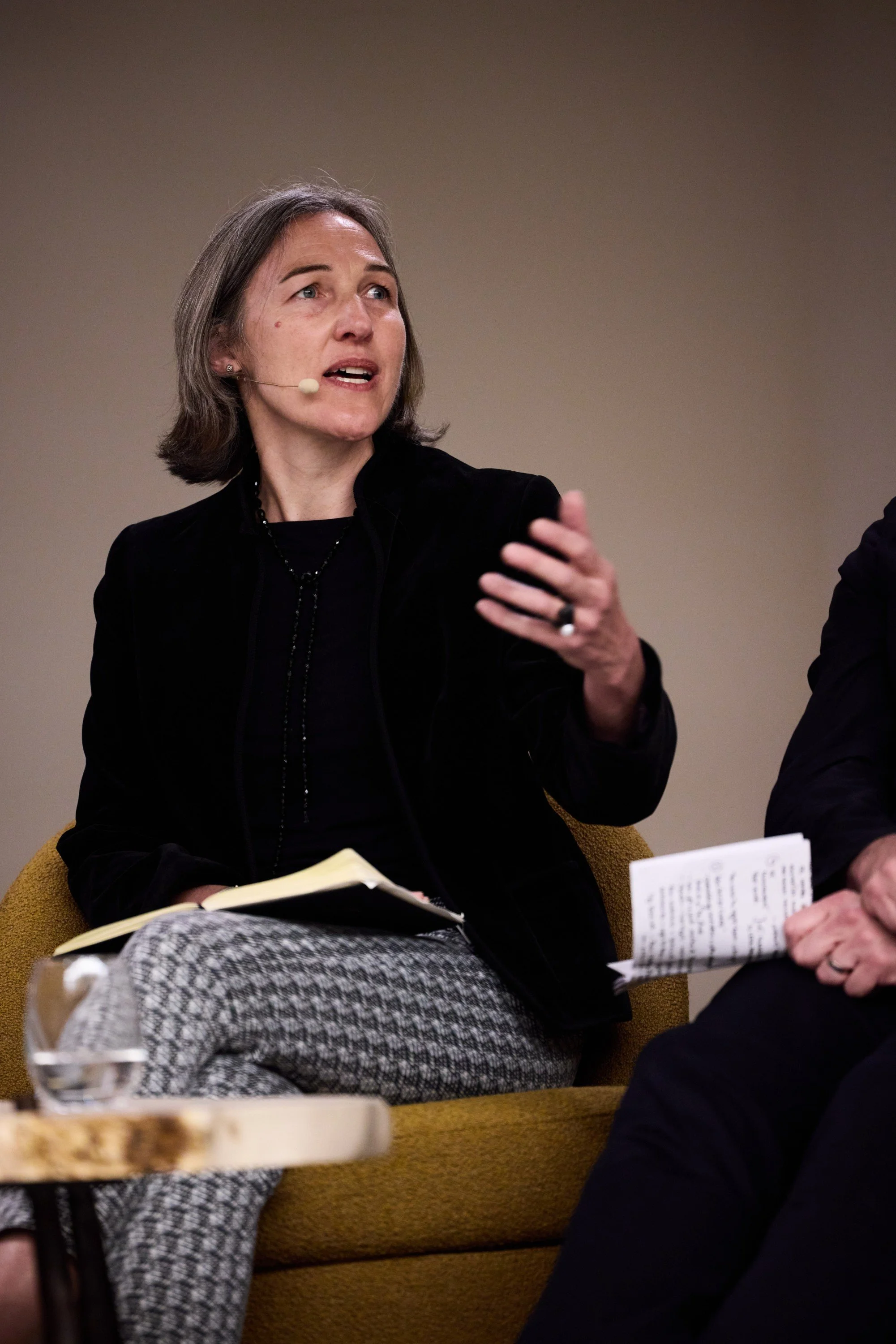
Archer Hotel Capital’s Senior Sustainability Manager, Zoe Li, echoed this sentiment. She also challenged designers to help investors more, with improving circularity during renovations and new builds i.e. reducing/eliminating waste through design of spaces and material choices (such as reuse of natural stone).
OBMI’s Webb noted a tendency for design briefs to focus more on operational carbon (CO2 emissions generated from operations), rather than embodied carbon (CO2 emissions associated with the manufacture, construction and disposal of building material). This is attributed, in part, to availability of resources in-destination.
Action varies by investor and business model
The approach to ESG investment depends on the type of investor and business model. This impacts capex quantum, category (asset, systems or people) and hold period.
The concept of stewardship is a fundamental pillar of sustainability; it reflects a philosophy of managing assets (physical, financial, social or natural) in a way that secures a thriving planet for future stakeholders. Family businesses typically have a stronger focus on long-term value creation, and stewardship, compared with many other investor groups. For owner-operator Lalji, investment decisions take into account profitability in tandem with generational thinking.
For institutional-backed investors, there is a fiduciary duty to look after shareholder value and mitigate risk. This underpins Archer Hotel Capital’s sustainability strategy, which focuses on carbon, circularity and community, and improvements to building certifications. Archer Hotel Capital’s Li, gave the example of a 90-year payback on a proposed greywater recycling facility; they went back to the drawing board, to explore alternatives. The return on investment (ROI) must stack up.
More knowledge-sharing is needed to manage guest expectations
Lalji highlighted the hotelier’s dilemma: will guests pay more for a sustainable hotel? The data is inconclusive, except perhaps for corporates. Companies with a decarbonisation strategy typically request ESG credentials in the request for proposal process.
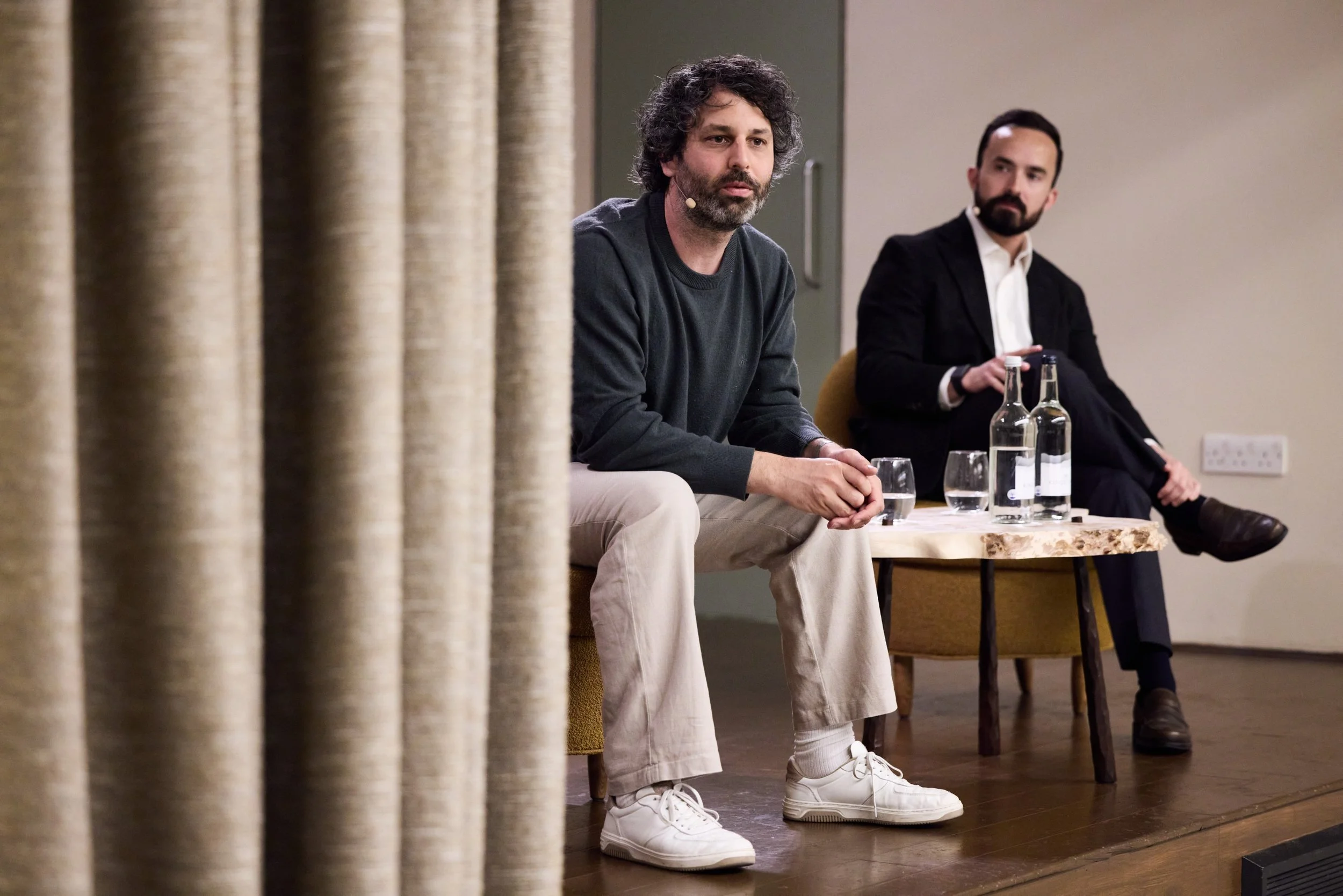
Zoe Li, Ellie Macpherson, Katharine Le Quesne and Jamie Webb
And how do you balance guest experience with ESG targets? Archer Hotel Capital is renovating Hotel Arts Barcelona. The region is emerging from a multi-year drought, so water scarcity is a practical and political issue. This led to a discussion about the appropriate bathroom shower flow rate, to balance the demands of guests, climate and finances. According to the Hansgrohe Group, an average showerhead without water-saving technology has a flow rate of around 15 litres/minute. BREEAM requires a rate of 6 litres/minute to achieve an excellent rating. “Anecdotally, guests prefer more,” says Archer Hotel Capital’s Li.
ESG advisors are regularly asked about this. Lizzy Coates of Considerate Group agrees that ESG measures that impact the guest experience – such as flow rates – are a particular issue for luxury hotels, where guest expectations are high. She is pragmatic. “Even if you don’t achieve the flow rate for BREEAM Excellent, reductions are still possible, without impacting user experience. That said, over the medium-term, a well-crafted guest education journey may be needed, to align expectations”.
The debate is driving innovation in the sector. Hansgrohe has sought to marry the two requirements with its range of Ecosmart and Ecosmart Plus products, that are delivering 9 litres/minute and 6 litres/minute. Steffen Erath, Head of Innovation at the Hansgrohe Group said, “You should not sacrifice user experience. Reducing waterflow alone can backfire”. The solution is nuanced, because people shower for physical hygiene, “but mostly for mental hygiene,” he says. A shower experience can leverage the effects of light, sound and aromatherapy, for example, and still deliver a refreshing shower. The impact? “If you reduce water use, energy use, and carbon footprint in the bathroom, that drops directly to the bottom line … any increase in net operating income translates directly into asset value,” observed Jonathan Braun, Founder of Arche Hospitality.
As a franchisee, Li sees more engagement on these issues by brands and designers. Marriott, for example, has an in-house sustainability team, which works closely with owners on sustainability guidance. However, she also had a challenge, for more knowledge sharing. “I am one owner here. [I want to know] what has helped you elsewhere in the world?”
Better financing terms could incentivise action
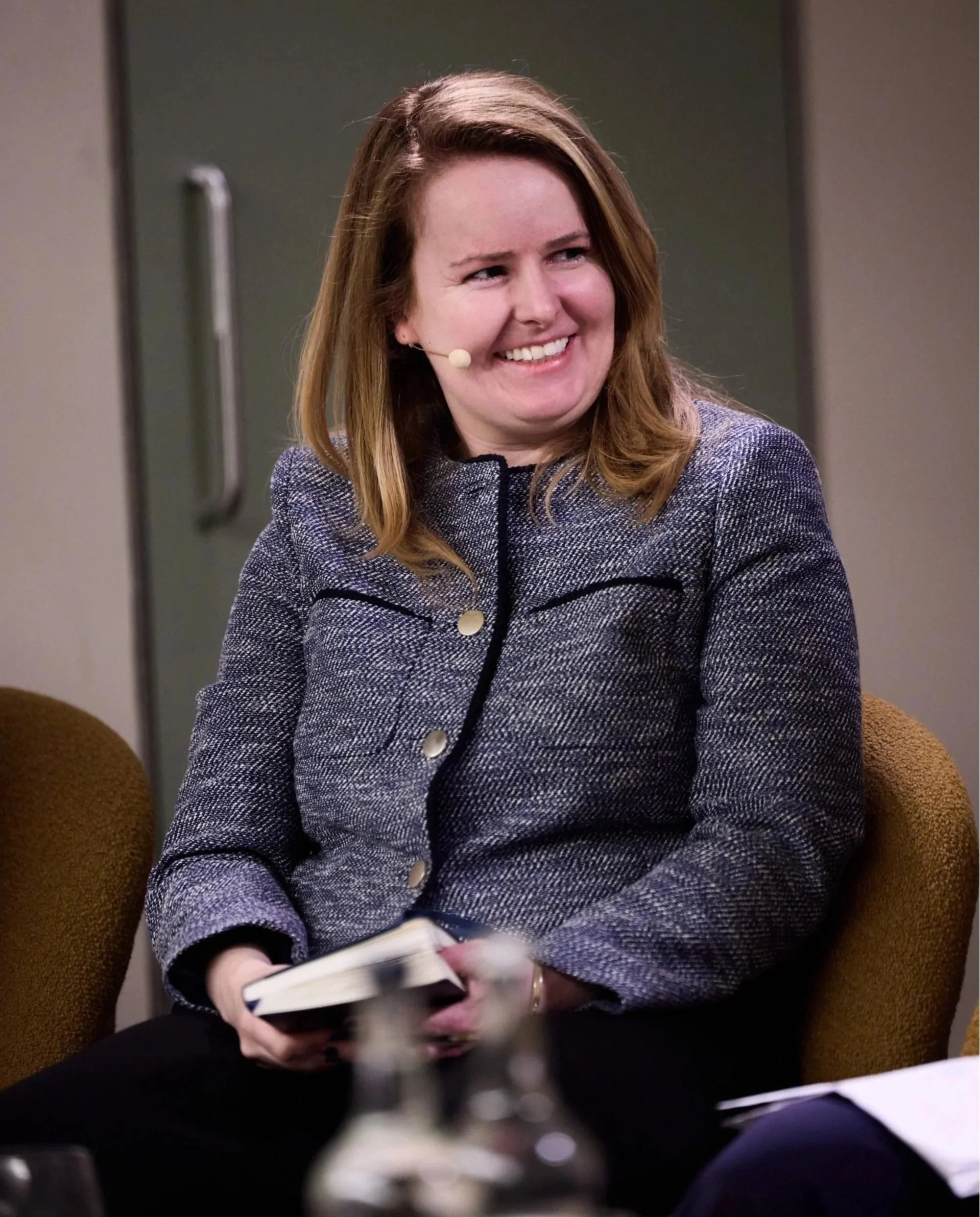
Alison Barry
Financing is a critical pillar underpinning action.
HSBC UK’s Sustainable Finance Director for UK Real Estate corporates, Alison Barry, explained that sustainable finance has evolved in recent years with HSBC UK constantly assessing and evolving its offering, in line with market feedback.
Lenders aim to provide more than just financing to their clients. HSBC UK supports clients in a number of ways – including through facilitating connections within their relevant ecosystem, providing peer analysis, thought leadership and more.
Legislation ramps up the pace of change
This leads us to legislation - the metaphorical bulldozer driving market-level change.
Historically, development feasibility studies have assessed legal requirements for land ownership, planning, labour, health and safety, and financial reporting. Today, the panellists flagged the growing maze of environmental regulation to consider, such as those below (but are by no means exhaustive).
The European Green Deal is the overarching framework for Europe.
In France, Archer Hotel Capital’s Li noted two policies specific to renovation projects: energy reduction targets of 30% reduction by 2030 and 40% by 2040; and demolition material inventories of materials to reuse, donate or dispose.
In the UK, Biodiversity Net Gain legislation came into force in 2024. This means that developers must improve the biodiversity of a development site by 10%, from what it was prior to development.
In the UK, the Government adopted the Sustainability Reporting Standards in February 2026. According to Ufi Ibrahim, CEO of the Energy & Environment Alliance, these are “the gamechanger” and will deliver transparency over a business’ exposure to climate risk.
Climate-related risk mitigation is a boardroom issue
Going forward, risk mitigation will remain a business priority, but is the hotel industry incorporating accountability mechanisms to drive improvement?
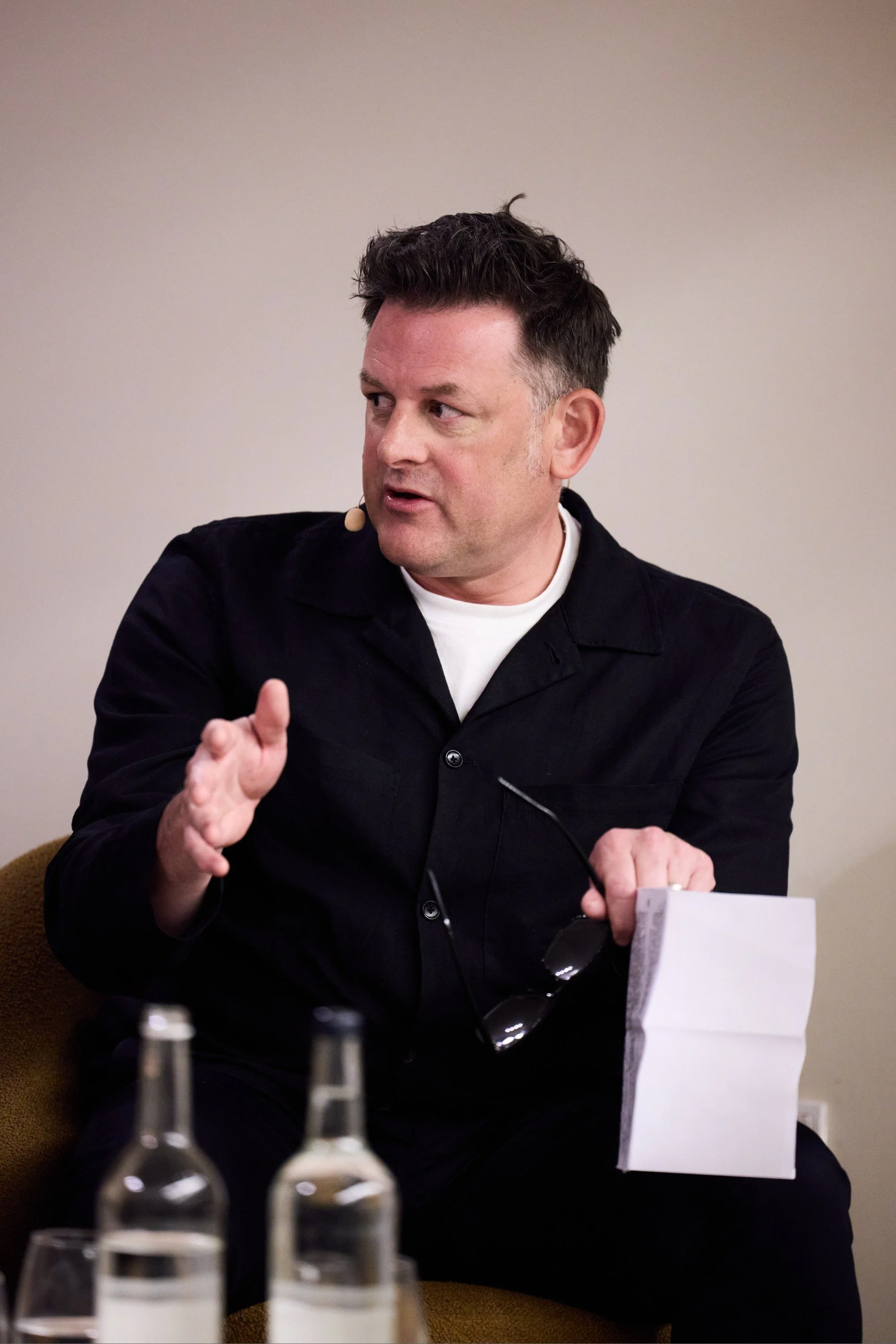
Jamie Webb
OBMI’s Webb was clear. First, design briefs must incorporate climate resilience, which means flexibility and adaptability of indoor and outdoor space, to respond to climate change and consumer needs. Second, projects need to incorporate post-occupation monitoring, in order to identify and fix performance gaps between how a building performs on paper and what it delivers in practice. “We also need to measure whether a design makes people feel better.” This is a key requirement for WELL and Fitwel certifications.
The performance gap is, perhaps, the elephant in the room. Building performance optimisation is an alchemy of processes: effective building commissioning; thorough technical/operational training; protocols to maintain in-house/outsourced technical knowledge; and maintenance programming. It is not a quick fix, particularly given the complexity of business models (owner/operator vs brand/franchisor). Archer Hotel Capital’s Li noted that to measure performance gaps, analysts need at least one year of stabilised operations (for energy and water consumption) and user feedback.
From climate risk mitigation to green innovation
The road to climate resilience is bumpy. However, investors, operators, designers and banks all have a part to play in delivering results. They can:
Formulate and deliver a science-backed decarbonisation strategy, that is both measurable and managed (call the bank).
Improve building resilience, with climate adaptation measures (call the architect).
Ensure compliance with climate-related legislation and reporting standards (call the accountant, bank or lawyer).
Build in-house expertise and/or work with experts to stay informed of existing and emerging market risks, and to reduce stranding risk (train and/or retain experts).
And when the going is tough, reframe the problem. To quote Erath, “We should be talking about green growth … sustainability is no longer just a CEO risk-management topic. It becomes a CEO-and-investor topic, because it creates value and profit”.

INSIGHTS from the Hansgrohe Group
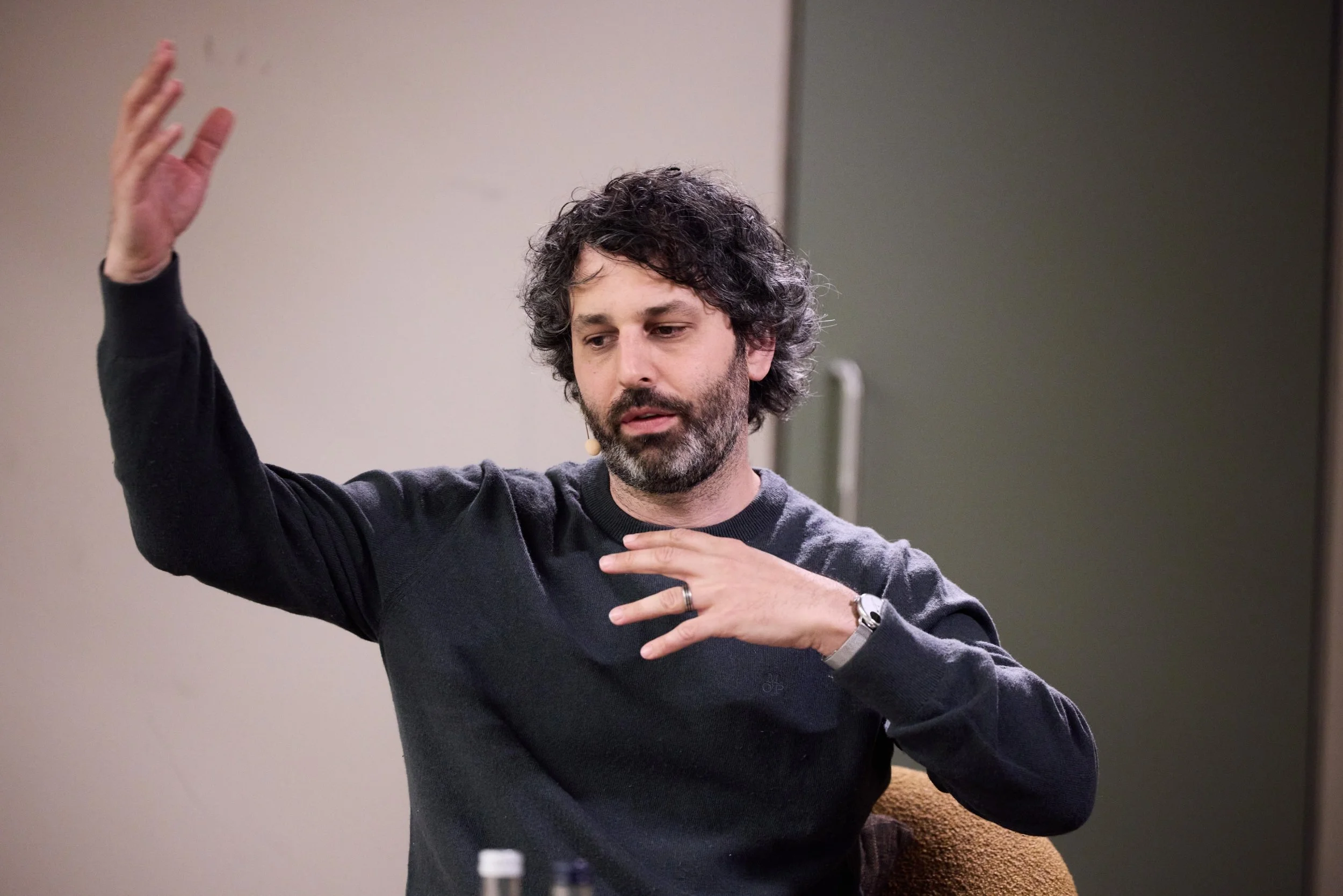
Steffen Erath, Head of Innovation at the Hansgrohe Group, sees sustainability as an opportunity for what he calls planet-centred innovation. Hansgrohe focuses first on solving planetary and societal problems (i.e. purpose) such as water scarcity; then, customer benefit (i.e. product appeal); and finally, profit (i.e. building a stable, scalable business model).
For example, they transformed their portfolio to be water-saving products, however, they do not market them as water-saving. “That doesn’t resonate. Instead, we sell shower pleasure.” Their ‘Green Vision Beyond Water’ bathroom also saves water, energy, and money. “That’s how you create change. The Beyond Water bathroom isn’t actually a product. It’s a vision”.
Over a 20-year lifespan, a typical bathroom emits around 18,000kg of CO2.
About 90% is generated in-use (operational carbon), not from manufacturing (embodied carbon).
Shower fixture materials may only account for 2kg of CO2, But the use phase contributes around 2,000kg, because of the hot water requirement.
In countries where energy is still largely fossil fuel-based, an estimated 4.5% of total carbon emissions are connected to bathroom use.
Conclusion: hot water is the biggest lever to focus on.
View the highlights video from the Ambition + Action + Accountability = Change event.